



3 min read
When choosing a diaper, parents also consider what standards it meets for skin contact. Our diapers are the first in the world to receive the Dermatest HypoSense® certificate. Learn what this seal means and what additional testing our diapers undergo.
- Dermatest HypoSense® is a seal for skin compatibility.
- The clinical test included people with atopic dermatitis, allergies, and asthma.
- SGS Institut Fresenius also tested our diapers for selected harmful substances and safety requirements.
- OEKO-TEX® Standard 100 and FSC®-certified pulp are also among the product features mentioned.
What does the Dermatest HypoSense® certification mean?
Dermatest HypoSense® is a seal for skin compatibility. According to our standards for our diapers, they were clinically tested on people with atopic dermatitis, allergies, and asthma. The seal describes the result of this test. It does not mean that a diaper treats skin conditions or prevents symptoms.
Our diapers are the first in the world to carry the HypoSense® certificate. This gives parents a specific point of reference: skin compatibility was a particular consideration in their development and testing.
How do our standards shape diaper development?
Consider contact with sensitive skin
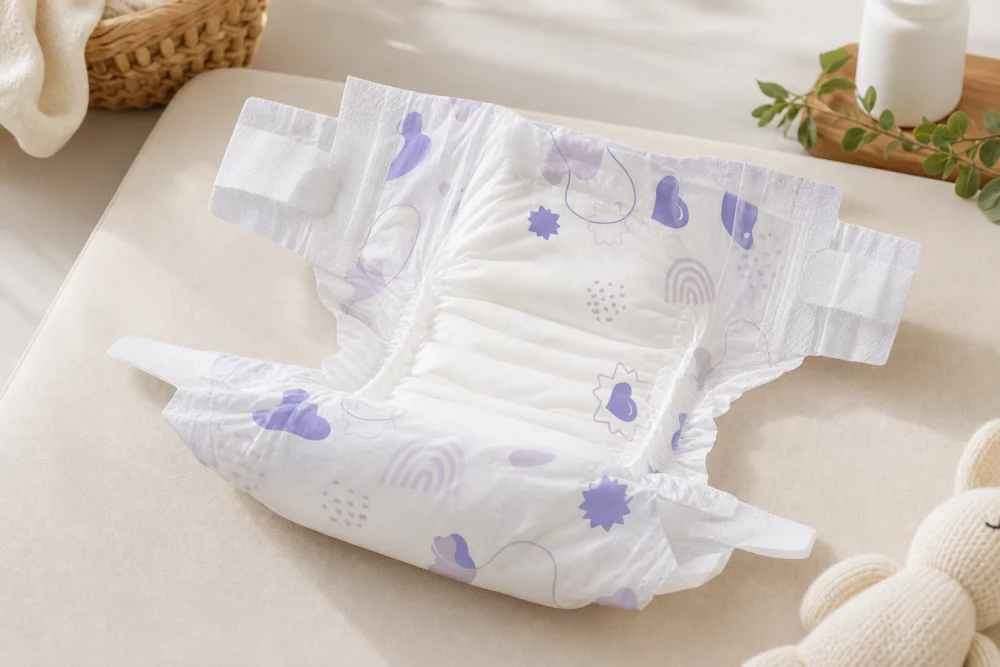
A diaper stays in direct contact with your baby’s body for extended periods. That’s why we consider the materials and components that touch the skin during development. Our standards also cover the diaper’s construction, including the absorbent core, leg cuffs, and outer layer. These product features describe the diaper; they do not replace an individual medical assessment.
Understand what each seal means
A certification seal applies to specific tests. It’s useful to check which seal is listed and what it represents. For our diapers, HypoSense® refers to clinical testing for skin compatibility. Other tests provide additional information about the product.
If your baby has persistent skin concerns, a rash, or open sores, please contact your pediatrician or midwife. A diaper with a certification seal is not a treatment.


What other tests and certifications are there?
In addition to the HypoSense® certification, SGS Institut Fresenius tested our diapers for selected harmful substances, including heavy metals and certain plasticizers. Key safety requirements were also part of the testing. According to the test report, the diapers passed all tests performed. Learn more about the scope and results in our post about the lab testing of our diapers.
Our diapers also carry the OEKO-TEX® Standard 100 seal. According to the product information available, they were tested for more than 100 substances of concern. The FSC® seal relates to pulp from responsibly managed forests. These seals have their own testing or sourcing requirements and complement the HypoSense® certification.
To see the product details, visit our Baby’s Best Premium Diapers. The tests provide information about the properties examined; they are not medical advice.
Good to know
- HypoSense® refers to clinical testing for skin compatibility.
- SGS Institut Fresenius also tested selected harmful substances and safety requirements.
- OEKO-TEX® Standard 100 and FSC® relate to additional testing and sourcing requirements.